

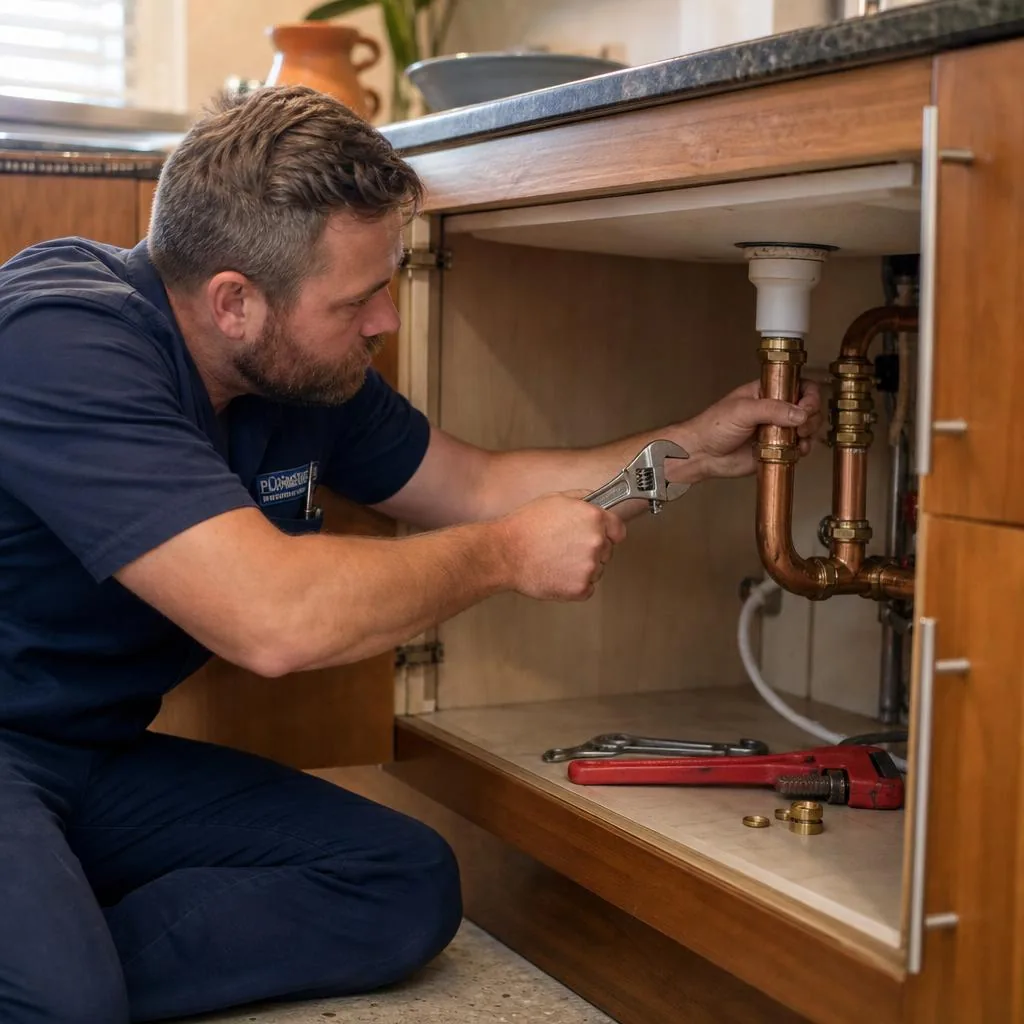
Bloemfontein regularly wakes up to sub-zero mornings in June and July, and every cold snap brings a wave of burst pipe callouts. Most of them were preventable.
The physics of a burst pipe
Water expands roughly 9% when it freezes. In a sealed pipe there is nowhere for that expansion to go, so pressure builds until the pipe splits, usually at a joint or a weak point. The burst often only shows itself when the ice thaws and water starts flowing through the crack.
Which pipes are most at risk
Exposed pipes on south-facing walls, garden taps, pipes in unheated ceilings, and thin-walled older galvanised lines fail first. Bloemfontein's older suburbs with original plumbing are especially vulnerable; corrosion has already thinned the pipe walls.
Prevention that actually works
Pipe insulation (lagging) on exposed runs is simple and effective. On the coldest nights, letting a vulnerable tap drip slightly keeps water moving and relieves pressure. Fixing small existing leaks matters too; a weeping joint in summer is a burst waiting for the first frost.
If a pipe bursts anyway
Close the main supply valve immediately, open taps to drain pressure, and switch off the geyser if the burst is on the hot line. Then call a plumber. Nexus runs 24/7 emergency callouts through winter because bursts don't wait for business hours.
Frequently Asked Questions
How cold does it get in Bloemfontein in winter?
Bloemfontein regularly records minimums of -2°C to -6°C in June and July, cold enough to freeze exposed water pipes overnight.
Where is my main water shut-off valve?
Usually at the water meter on the street boundary, or where the supply enters the house. Find it before winter; during a burst is the wrong time to go looking.
Does insurance cover burst pipes?
Most household policies cover sudden burst pipe damage, but may exclude damage from long-term slow leaks or lack of maintenance. Document the burst and the repair.