

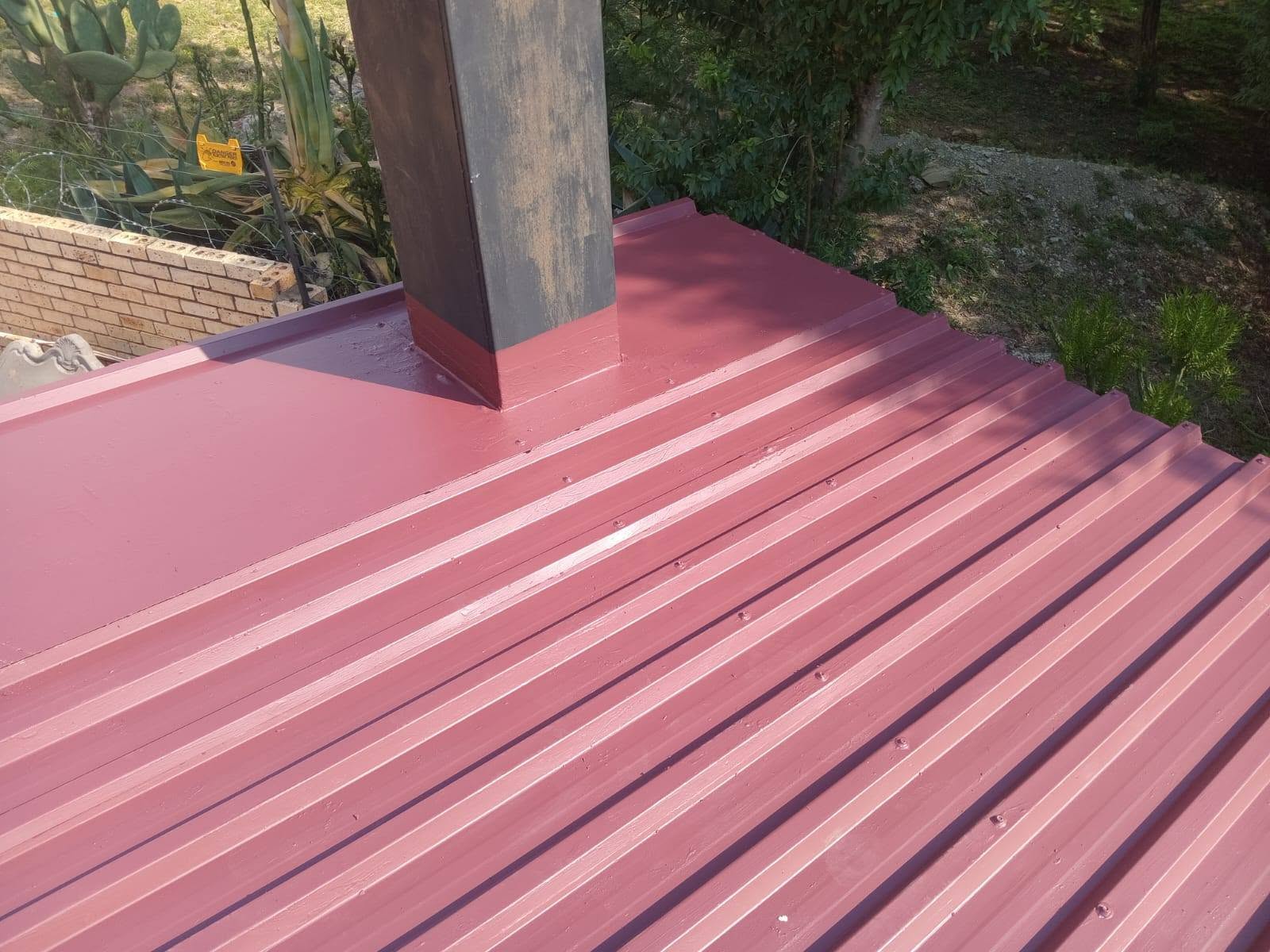
A small roof issue caught early can save you thousands. Here's what to look out for.
Start inside the house
Check your ceilings for brown water stains, bubbling paint or a musty smell. These are usually the first signs that water is getting in somewhere, often long before you see anything wrong on the roof itself.
Then check outside
Look for cracked, shifted or missing tiles, rusted sheeting, and debris building up in valleys and gutters. Blocked gutters force water back under the roof covering, which is a leading cause of leaks.
After storms and hail
It's worth having a professional inspection even if nothing looks wrong from the ground. Many issues, like lifted flashing around chimneys or hail bruising on sheeting, are invisible unless you know where to look.
Why early action pays
A cracked tile costs little to replace. The same crack left through a rainy season can mean stained ceilings, wet insulation, rotted timber and mould, a repair bill many times larger. If you spot any warning signs, book a professional roof inspection.
Frequently Asked Questions
How often should I check my roof?
Do a visual check from the ground twice a year and after every big storm; have it professionally inspected every 2–3 years.
Can I inspect the roof myself?
From the ground and inside the ceiling cavity, yes. Walking on a roof is risky for you and the roof, leave that part to a professional.
What does a stained ceiling mean?
Water has been getting in, even if it looks dry now. Find and fix the entry point before repainting, or the stain will return.