

Bloemfontein winters are cold and dry with real frost. A brief pre-winter inspection prevents most of the common cold-weather property failures.
Roof and gutters
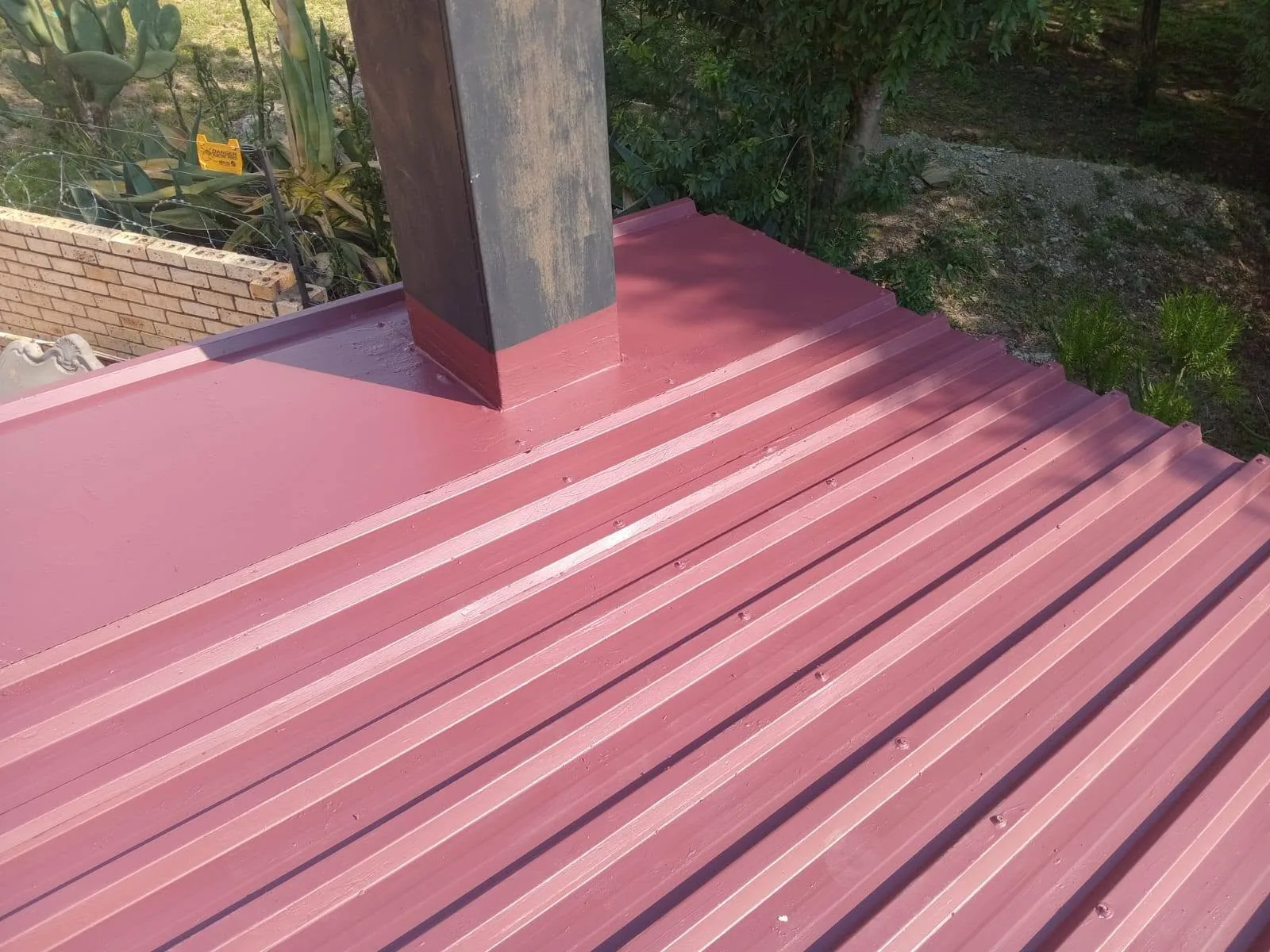
Clean gutters of summer leaf accumulation before autumn rain sets in. A blocked gutter overflows against the fascia and causes rot and damp. Inspect roof tiles for summer storm damage - hairline cracks from hail allow water in under sustained winter rain. Check that all ridge capping mortar is sound - dry summer heat causes mortar to shrink and crack, and the first winter rain finds the gaps.
Geyser and hot water
Check the pressure control valve: lift the lever briefly to confirm it releases freely and then reseats. If it weeps continuously, it needs replacement before winter when hot water demand is highest. Check the overflow pipe - if it drips continuously, the thermostat may be allowing the water temperature to exceed safe limits. Insulate the geyser overflow pipe on the exterior wall with pipe lagging to prevent freezing.
Pipes and plumbing
Wrap all exposed outdoor pipes with pipe lagging (foam tube insulation) - especially the garden tap supply and any pipes on exterior walls. Drain irrigation systems if they will not be used over winter. Ball valves left full of water in frost conditions crack at the valve body. If you had a pipe freeze last year, identify the pipe and insulate it properly this year.
Heating, electrical and insulation
Test that all electrical heaters work before the first cold night - not the night of. Have the distribution board checked if you plan to add heaters that were not there before. Bloemfontein's dry cold means that draughts under doors and around windows lose significant heat - draught strips are an inexpensive improvement. Check that ceiling insulation is still in place in the roof space - it degrades over time and must be in contact with the ceiling board to be effective.
Frequently Asked Questions
How cold does Bloemfontein get in winter?
Bloemfontein regularly records temperatures below 0°C overnight in June and July, with some years dipping to -5°C. Frost on roofs, lawns and vehicles is common. Exposed pipes and pool equipment are at real risk of freezing.
When is the best time to do the pre-winter check?
April is ideal - before the temperature drops and while contractors are still widely available. May is the last reasonable window for exterior repairs before winter conditions limit paint curing and mortar adhesion.